High-Quality 3d models for sketchup to Transform Professional Design Projects
The Power of 3d models for sketchup in Modern Architectural Visualization
In professional architecture and interior design, 3d models for sketchup have become an essential resource for accelerating workflows and improving visual communication. Designers today are expected to deliver detailed, realistic representations of spaces long before construction begins. SketchUp, known for its intuitive modeling environment, becomes significantly more powerful when paired with high-quality prebuilt 3D assets.
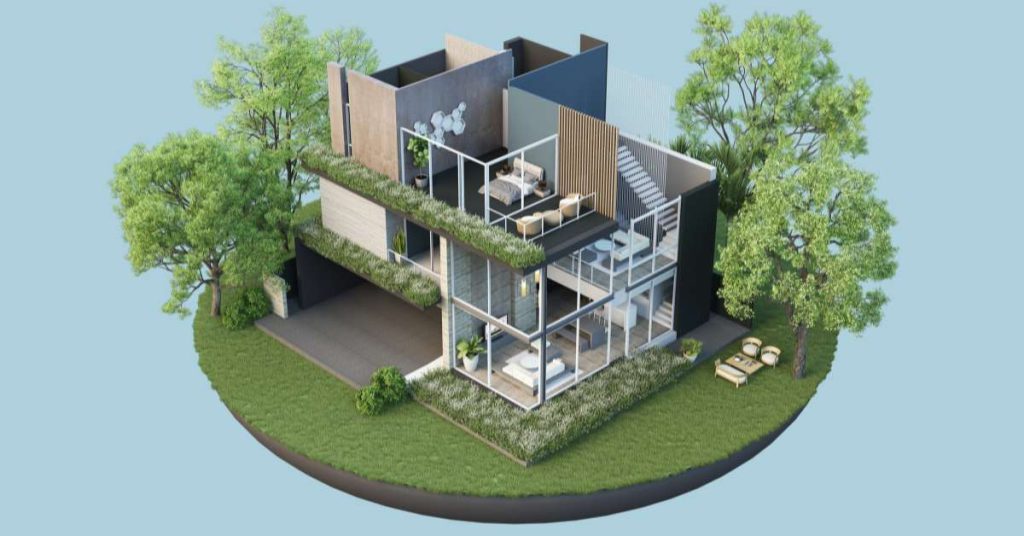
From residential floor plans to commercial environments, ready-made models allow professionals to build immersive scenes quickly and accurately. Instead of modeling furniture, fixtures, and decorative elements from scratch, designers can integrate optimized assets into their projects. This not only saves time but also enhances overall presentation quality and client confidence.
Why Professionals Rely on 3D Assets in SketchUp
SketchUp offers flexibility, but efficiency is what separates beginners from professionals. When working under tight deadlines, the ability to import well-crafted 3d models for sketchup ensures that conceptual ideas evolve into polished presentations faster.
Key advantages include:
- Reduced production time
- Consistent scale and proportions
- Clean geometry optimized for rendering
- Improved realism in client presentations
- Better compatibility with rendering engines
By integrating professionally structured assets, designers eliminate repetitive modeling tasks and focus on spatial design, lighting, and material selection.
Categories of 3d models for sketchup Used in Design Projects
Different projects require different types of models. A comprehensive asset library helps professionals address diverse client requirements efficiently.
Furniture and Interior Components
Interior visualization relies heavily on accurate furniture placement. Sofas, beds, tables, cabinetry, lighting fixtures, and decor elements define the atmosphere of a space. Professionally built models ensure proper scale and realistic detailing.
Architectural Elements
Doors, windows, staircases, facade panels, railings, and structural components are often reused across projects. Using ready-made models prevents repetitive modeling and maintains technical precision.
Landscape and Exterior Assets
Outdoor scenes demand trees, shrubs, paving materials, street furniture, and lighting. High-quality exterior models create compelling site plans and masterplan visualizations.
Commercial and Specialized Equipment
Office systems, retail counters, hospitality furnishings, and industrial equipment enhance commercial project realism. Detailed components improve stakeholder presentations and approval processes.
Access to reliable 3d models for sketchup ensures consistency, professional detailing, and optimized file performance throughout the design lifecycle.
Time Efficiency and Workflow Optimization
Efficiency plays a major role in project profitability. Modeling every object manually increases labor costs and delays deliverables. Pre-built models drastically reduce time spent on repetitive tasks.
A streamlined workflow typically includes:
- Creating the structural model
- Importing optimized assets
- Applying materials and textures
- Adjusting lighting and camera views
- Rendering for presentation
When high-quality models are available, revisions become faster and collaboration smoother. Teams can respond to client feedback quickly without rebuilding core elements.
Quality Standards to Look for in SketchUp 3d models
Not all assets meet professional standards. Choosing well-built Sketchup 3d models ensures both performance stability and visual excellence.
Professionals should evaluate models based on:
- Clean, organized layers and groups
- Proper real-world scaling
- Low but efficient polygon count
- Error-free geometry
- Compatibility with rendering tools
Poorly constructed models may cause file corruption, slow navigation, or rendering errors. Investing in reliable assets prevents technical setbacks during critical project phases.
Performance Management in Large Projects
As projects grow in complexity, performance optimization becomes crucial. Overloaded models with heavy geometry can slow navigation and disrupt productivity.
To maintain efficiency:
- Purge unused components
- Use proxy models for highly detailed assets
- Simplify geometry where possible
- Organize elements into layers
- Regularly clean the file
Maintaining a structured asset library prevents unnecessary duplication and keeps file sizes manageable.
Integrating Materials and Textures for Realism
Even the most detailed model requires high-quality materials to achieve photorealistic results. Texture resolution, mapping accuracy, and scale adjustment directly influence final render quality.
Professional designers combine models with realistic materials to create believable environments. Wood grains, stone finishes, fabrics, and metal surfaces must reflect light naturally. Proper material setup enhances depth, shadow interaction, and overall scene authenticity.
Applications Across Industries
The value of 3d models for sketchup extends beyond architectural firms. Various industries benefit from ready-made 3D assets.
Real Estate Marketing
Developers use detailed 3D models to market properties before construction completion. High-quality interiors and exteriors help buyers visualize living spaces more effectively.
Urban Planning
City planners rely on building models, infrastructure components, and landscape elements to present large-scale development proposals.
Product Design
Manufacturers and industrial planners use SketchUp models to simulate equipment placement and workflow optimization within production facilities.
Education and Training
Students learning architectural design use prebuilt assets to understand scale, spatial relationships, and rendering techniques without getting overwhelmed by complex modeling tasks.
Custom Modeling vs Ready-Made Models
Both approaches have advantages depending on project requirements.
| Factor | Custom Modeling | Ready-Made Models |
|---|---|---|
| Time Investment | High | Low |
| Flexibility | Fully customizable | Moderate |
| Cost | Labor intensive | Cost-effective |
| Speed of Presentation | Slower | Faster |
| Technical Consistency | Skill-dependent | Professionally standardized |
While custom modeling offers complete creative control, ready-made 3d models for sketchup provide efficiency and consistency that significantly improve turnaround times.
Enhancing Client Presentations with Detailed 3D Assets
Clients often struggle to interpret technical drawings. Three-dimensional visualization bridges that communication gap. By integrating realistic furniture, lighting, and landscape elements, designers present fully immersive environments.
Effective presentation outputs may include:
- Interior perspective renders
- Exterior daylight and night views
- Walkthrough animations
- Sectional visualizations
- Exploded architectural diagrams
The use of high-quality models strengthens credibility and reduces the number of revision cycles.
Building a Structured 3D Model Library
A well-organized asset library saves time during future projects. Professionals should categorize models based on project type, function, and scale.
Recommended organization strategies include:
- Separate folders for residential, commercial, and landscape assets
- Clear file naming conventions
- Removal of outdated or duplicate files
- Regular performance testing
- Cloud backups for team collaboration
Maintaining a structured library ensures immediate access to frequently used components when deadlines are tight.
Future Trends in SketchUp Modeling
As real-time rendering, virtual reality, and augmented reality technologies become more integrated into architectural workflows, the demand for optimized 3D assets continues to rise. Models must balance visual richness with technical efficiency to perform well in interactive environments.
Cloud-based collaboration platforms are also shaping how teams share and modify models. Clean geometry and standardized components ensure compatibility across different workstations and software extensions.
The growing integration of AI-driven tools may further accelerate modeling processes, but high-quality foundational assets will remain critical to efficient design execution.
Maximizing Creativity with Ready-Made Assets
Some designers worry that using pre-built models may limit originality. In practice, ready-made assets serve as starting points. Materials, proportions, and arrangements can be customized to fit unique design concepts.
Instead of spending hours modeling basic furniture or architectural components, designers can focus on:
- Spatial composition
- Lighting experimentation
- Material storytelling
- Client-specific customization
Balancing creativity with efficiency is the hallmark of successful design studios. Leveraging professionally structured 3d models for sketchup empowers designers to achieve both.
Why 3d models for sketchup Are a Competitive Advantage
In a competitive market, speed and presentation quality determine client satisfaction. Firms that integrate reliable 3D assets deliver projects faster and communicate ideas more clearly.
High-quality 3d models for sketchup reduce repetitive labor, enhance realism, and streamline collaboration. When combined with optimized textures, organized workflows, and performance management strategies, these assets transform SketchUp into a powerful professional visualization platform.
Designers who strategically incorporate well-built models into their process gain a measurable advantage in efficiency, accuracy, and client trust—key factors that define long-term success in the architecture and design industry.