
Exhaust Systems Explained: Function, Performance Impact, and Long-Term Reliability
Exhaust System Guide: How Exhaust Design Affects Performance and Durability
An exhaust system is one of the most essential yet misunderstood components of any vehicle. While many drivers associate exhaust only with noise or tailpipes, the system plays a critical role in engine efficiency, emissions control, and overall driving comfort. From directing harmful gases away from occupants to managing backpressure for optimal combustion, the exhaust system directly influences how an engine breathes and performs under different driving conditions.
A properly designed Exhaust system balances airflow, sound control, heat management, and emissions compliance. Understanding how each part functions together helps vehicle owners make informed decisions about maintenance, upgrades, and long-term reliability. This guide breaks down exhaust systems in a clear, practical way without relying on oversimplified explanations.
The Core Purpose of an Exhaust System
At its most fundamental level, the exhaust system safely routes combustion gases away from the engine and passenger cabin. These gases include carbon monoxide, nitrogen oxides, and unburned hydrocarbons, all of which are harmful if allowed to accumulate. By channeling them out of the vehicle, the exhaust system protects both occupants and engine components.
Beyond safety, the exhaust system manages engine backpressure. Proper backpressure ensures efficient cylinder scavenging, allowing fresh air-fuel mixtures to enter the combustion chamber. Too much restriction reduces power and efficiency, while too little can harm low-end torque. This balance is the foundation of exhaust system engineering.
Major Components and Their Roles
An exhaust system is not a single pipe but a collection of specialized components. The exhaust manifold collects gases directly from the engine cylinders and directs them into a single flow path. Its design affects heat retention and initial gas velocity, influencing engine response.
The catalytic converter reduces harmful emissions through chemical reactions, while the resonator fine-tunes sound frequencies. The muffler controls overall noise output, and the exhaust pipes connect everything together. Sensors integrated throughout the system provide real-time data to the engine control unit, ensuring optimal operation.
How Exhaust Design Influences Engine Performance
Exhaust design directly affects how efficiently an engine expels spent gases. Smooth bends, consistent pipe diameter, and properly sized components reduce turbulence and maintain gas velocity. This improves throttle response and supports stable power delivery across the RPM range.
Performance-oriented exhaust systems often prioritize flow efficiency, reducing restrictions found in factory designs. However, excessive flow without proper tuning can reduce torque and drivability. Effective exhaust systems strike a balance between performance gains and everyday usability, especially for street-driven vehicles.
Exhaust Backpressure and Its Importance
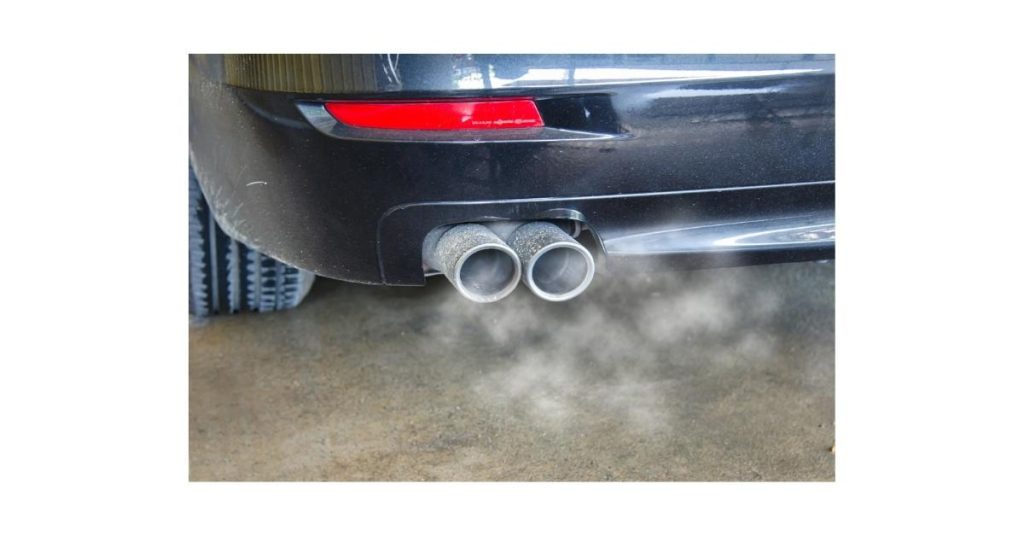
Backpressure is often misunderstood as something to eliminate entirely. In reality, engines require a specific level of resistance to function efficiently. Backpressure helps maintain exhaust gas velocity, which aids in cylinder scavenging during valve overlap.
Problems arise when backpressure becomes excessive due to clogged catalytic converters, crushed pipes, or collapsed mufflers. These conditions restrict gas flow, reducing power and fuel efficiency. Understanding backpressure helps diagnose exhaust-related performance issues accurately.
Sound Control and Acoustic Engineering
One of the most noticeable aspects of an exhaust system is sound. Mufflers and resonators are designed to cancel specific sound frequencies without overly restricting airflow. Acoustic engineering determines whether an exhaust sounds refined, aggressive, or harsh.
Factory exhaust systems prioritize noise reduction and comfort, while aftermarket designs may emphasize performance or tone. Poor sound tuning can result in drone, an unpleasant low-frequency noise at cruising speeds. Quality exhaust systems minimize this issue through careful internal design.
Emissions Control and Environmental Responsibility
Modern exhaust systems play a critical role in reducing environmental impact. The catalytic converter transforms harmful gases into less dangerous substances before release into the atmosphere. Oxygen sensors monitor exhaust composition to maintain proper fuel mixture and emissions levels.
A malfunctioning exhaust system increases pollution and may cause vehicles to fail emissions testing. Maintaining exhaust health is not only a legal requirement in many regions but also a responsibility toward environmental protection.
Heat Management Within the Exhaust System
Exhaust gases exit the engine at extremely high temperatures. Managing this heat is essential to protect surrounding components and maintain system integrity. Heat shields, insulation, and material selection all contribute to effective thermal management.
Poor heat control can damage underbody components, wiring, and even interior materials. High-quality exhaust systems use materials that withstand repeated heat cycles without warping or cracking, ensuring long-term durability.
Exhaust Materials and Longevity
Material choice significantly affects exhaust lifespan. Aluminized steel offers affordability but limited corrosion resistance. Stainless steel, especially higher grades, provides superior durability and heat tolerance, making it a popular choice for long-term ownership.
Premium materials resist rust caused by moisture and condensation, which are unavoidable byproducts of combustion. Investing in better materials reduces the likelihood of premature failure and costly replacements.
Common Exhaust System Failures
Over time, exhaust systems experience wear from heat, vibration, and environmental exposure. Common failures include rusted pipes, leaking joints, failing catalytic converters, and broken hangers. These issues often manifest as increased noise, reduced performance, or warning lights.
Early detection prevents small problems from escalating. Regular inspections during routine maintenance help identify issues before they compromise safety or efficiency.
The Relationship Between Exhaust and Fuel Efficiency
An efficient exhaust system supports optimal fuel combustion. Restrictions force the engine to work harder, increasing fuel consumption. Conversely, a well-maintained exhaust allows gases to exit smoothly, supporting consistent engine operation.
While exhaust upgrades alone do not drastically improve fuel economy, restoring proper exhaust function often recovers lost efficiency. This is especially noticeable in vehicles with clogged or damaged components.
Factory Exhaust vs Aftermarket Exhaust
Factory exhaust systems are designed to meet broad requirements for noise, emissions, and cost. They provide reliability and compliance but may limit performance potential. Aftermarket exhaust systems offer alternatives tailored to specific goals such as improved sound or reduced weight.
Choosing between factory and aftermarket options depends on priorities. Daily drivers often benefit from factory reliability, while enthusiasts may prefer aftermarket solutions that align with performance objectives. Understanding these differences prevents unrealistic expectations.
Installation Quality and Its Impact
Even the best exhaust system performs poorly if installed incorrectly. Misaligned components cause vibration, leaks, and premature wear. Proper installation ensures correct clearances, secure mounting, and sensor alignment.
Professional installation is recommended for complex systems, though simpler replacements may be suitable for experienced DIY enthusiasts. Installation quality directly affects exhaust longevity and performance.
Maintenance Practices That Extend Exhaust Life
Routine maintenance extends exhaust system lifespan. Washing undercarriage areas reduces salt buildup, while periodic inspections catch early signs of rust or looseness. Addressing minor issues promptly prevents cascading failures.
Using quality replacement parts maintains system balance. Neglecting maintenance often results in compounded damage that requires full system replacement rather than targeted repairs.
Exhaust System Safety Considerations
Exhaust leaks pose serious safety risks. Carbon monoxide is odorless and dangerous, making leaks inside the cabin particularly hazardous. Any unusual smells or sounds should be investigated immediately.
Ensuring proper exhaust routing and sealing protects occupants and maintains compliance with safety standards. Exhaust health is directly tied to driver and passenger well-being.
Long-Term Value of Understanding Exhaust Systems
Understanding how an exhaust system functions empowers vehicle owners to make informed decisions. Knowledge reduces dependence on guesswork and helps prioritize necessary repairs over unnecessary replacements.
For in-depth technical explanations, maintenance insights, and system comparisons, resources like Exhaust provide authoritative information. A well-maintained exhaust system supports performance, efficiency, and safety throughout a vehicle’s lifespan.
By appreciating the exhaust system as a complete, integrated network rather than a single component, drivers gain a clearer perspective on its importance. This awareness leads to better care, smarter upgrades, and long-term reliability that benefits both vehicle and owner.