Fiberglass vs Steel Doors: Top 10 Differences That Define the Better Choice
Selecting the right front door is a vital step in securing, insulating, and enhancing the overall aesthetic of your home. Among the most popular materials on the market today are fiberglass and steel doors. While both offer specific advantages, choosing the best option depends on your priorities: durability, budget, maintenance, climate resistance, and style preferences.
In this comprehensive guide, we break down the top 10 differences between fiberglass vs steel doors, so you can confidently make the best choice for your entryway.
1. Durability in Everyday Use
Fiberglass: Highly resistant to dents, scratches, and wear. It flexes under pressure and bounces back, making it excellent for homes with pets, children, or high foot traffic.
Steel: Exceptionally strong but more prone to dents. A kicked soccer ball or luggage cart can leave a lasting impression—literally.
✅ Winner: Fiberglass
2. Weather Resistance
Fiberglass: Performs exceptionally well in humid, coastal, or fluctuating climates. It resists warping, swelling, rust, and rot.
Steel: Prone to rust, especially in wet environments. Moisture intrusion can lead to corrosion over time if not properly maintained.
✅ Winner: Fiberglass
3. Energy Efficiency
Fiberglass doors are filled with polyurethane foam cores that act as powerful insulators, keeping indoor temperatures stable year-round.
Steel doors can also be insulated, but the metal conducts heat and cold, making them less thermally efficient unless specifically upgraded.
✅ Winner: Fiberglass
4. Security and Strength
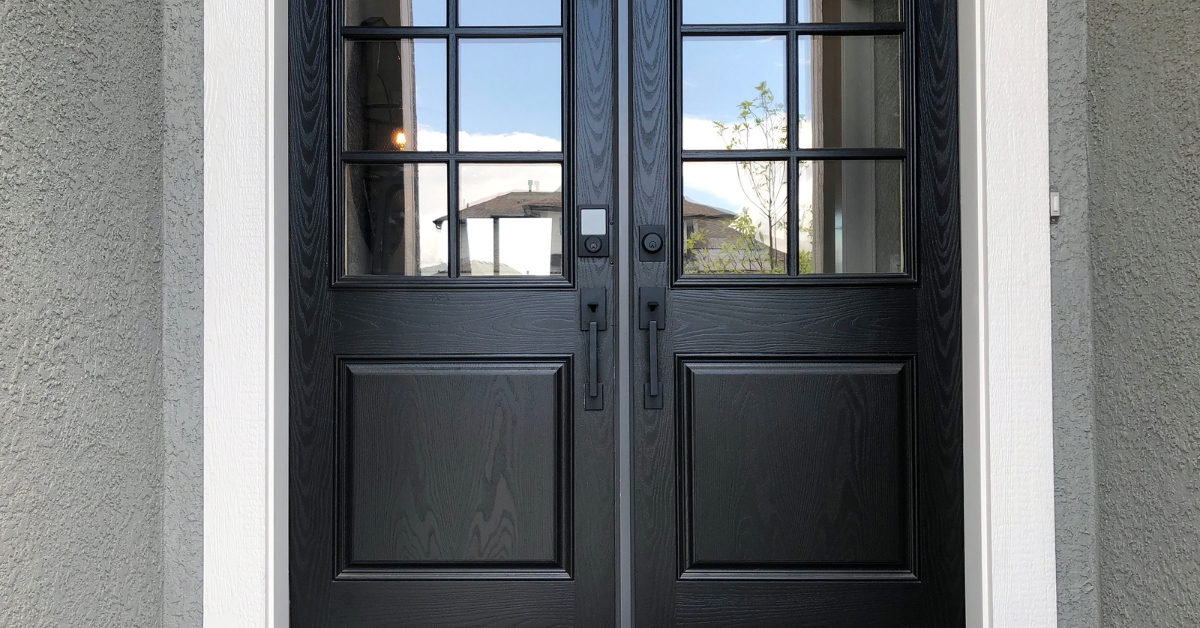
Steel: Offers higher resistance to forced entry. Its rigid structure is ideal for homeowners prioritizing maximum security.
Fiberglass: Still offers strong security, especially when paired with multi-point locking systems, but not quite as impervious as steel.
✅ Winner: Steel
5. Appearance and Style Options
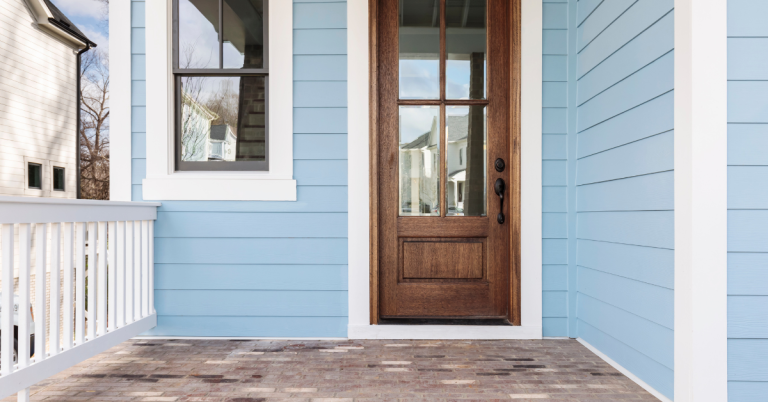
Fiberglass: Available in a wide range of designs, textures, and finishes—including woodgrain styles that mimic real oak, mahogany, and cherry. It can be painted or stained.
Steel: Usually comes in smooth finishes with fewer options for customization. It can be painted but doesn’t imitate wood effectively.
✅ Winner: Fiberglass
6. Maintenance Requirements
Fiberglass: Requires very little maintenance. No rusting or peeling paint. Occasional cleaning with mild soap is enough.
Steel: Needs periodic painting or sealing to prevent rust, especially if the finish is scratched or exposed to moisture.
✅ Winner: Fiberglass
7. Longevity and Lifespan
Fiberglass: Can last 25–30+ years with minimal upkeep. Its materials don’t deteriorate easily, making it a long-term investment.
Steel: Typically lasts 15–20 years depending on climate and maintenance. Rust or dents can reduce usable lifespan.
✅ Winner: Fiberglass
8. Cost and Long-Term Value
Steel: More affordable upfront, making it ideal for budget-friendly renovations or secondary entrances.
Fiberglass: Higher initial cost, but lower maintenance and longer lifespan result in better long-term value.
✅ Winner: Tie — Steel for budget, Fiberglass for ROI
9. Noise Reduction
Fiberglass: Offers better sound insulation due to its thickness and foam core. Great for noisy neighborhoods or high-traffic areas.
Steel: Thinner and more conductive, which can allow more sound penetration if not well-insulated.
✅ Winner: Fiberglass
10. Customization & Configuration
Fiberglass: Available in custom sizes, panel styles, decorative glass, sidelights, and transoms.
Steel: More limited in design options and configurations. Better suited for minimalistic or industrial aesthetics.
✅ Winner: Fiberglass
Quick Comparison Table
| Feature | Fiberglass Doors | Steel Doors |
|---|---|---|
| Durability | ✅ Superior | Good (but dents easily) |
| Weather Resistance | ✅ Excellent | Fair (can rust) |
| Energy Efficiency | ✅ High Insulation | Moderate |
| Security | Strong | ✅ Excellent |
| Style Variety | ✅ Wide options | Limited |
| Maintenance | ✅ Very Low | Moderate (needs repainting) |
| Lifespan | ✅ 25–30+ years | 15–20 years |
| Initial Cost | Higher | ✅ Lower |
| Noise Reduction | ✅ Better | Moderate |
| Customization | ✅ High | Limited |
Real Homeowners Share Their Experience
“We installed a fiberglass door 8 years ago, and it still looks like the day it was put in. Zero maintenance, and no warping even after harsh winters.”
— Alyssa R., Wisconsin
“Our steel front door felt strong and secure, but within 3 years, small rust spots started forming at the base from rain exposure.”
— Kevin H., Oregon
Visual Guide: See the Difference
Watch on YouTube: Steel vs Fiberglass Doors – Pros, Cons, and Real Tests
Expert Guide: Dive Deeper into the Top 10 Differences
Still unsure which material is best for your home? Get expert insights and technical comparisons in this detailed breakdown of fiberglass vs steel doors that evaluates cost, climate suitability, and long-term value.
Final Verdict: Which Should You Choose?
Choose Fiberglass if:
- You live in a coastal or humid climate
- You want a door that mimics real wood
- Maintenance-free performance is a priority
- You’re investing in your “forever home”
Choose Steel if:
- You’re on a tighter budget
- You live in a dry region
- Security is your #1 concern
- You’re installing a door in a utility or side entrance
Ultimately, the battle between fiberglass vs steel doors comes down to your individual needs. For long-term durability, weather resistance, and design flexibility, fiberglass is the superior option. For short-term savings and strong protection, steel may still be a solid choice.